The Theory of Mind
A story about the architecture of your inner world — and why the part of you that wants to change has been asking permission from the part of you that is afraid to.
In the 1770s, Franz Anton Mesmer proposed that a magnetic force flowed through the body and could be influenced by suggestion. In 1841, Scottish physician James Braid observed this altered state, recognized it as real, and named it hypnosis after Hypnos, the Greek god of sleep. In 1968, Dr. John G. Kappas realized that people respond to suggestion in fundamentally different ways, developed the Emotional and Physical model of suggestibility, and founded the Hypnosis Motivation Institute — opening clinical hypnosis to everyone by learning to shape the approach around the individual.
Based on the Theory of Mind developed by Dr. John G. Kappas, Ph.D., founder of the Hypnosis Motivation Institute.
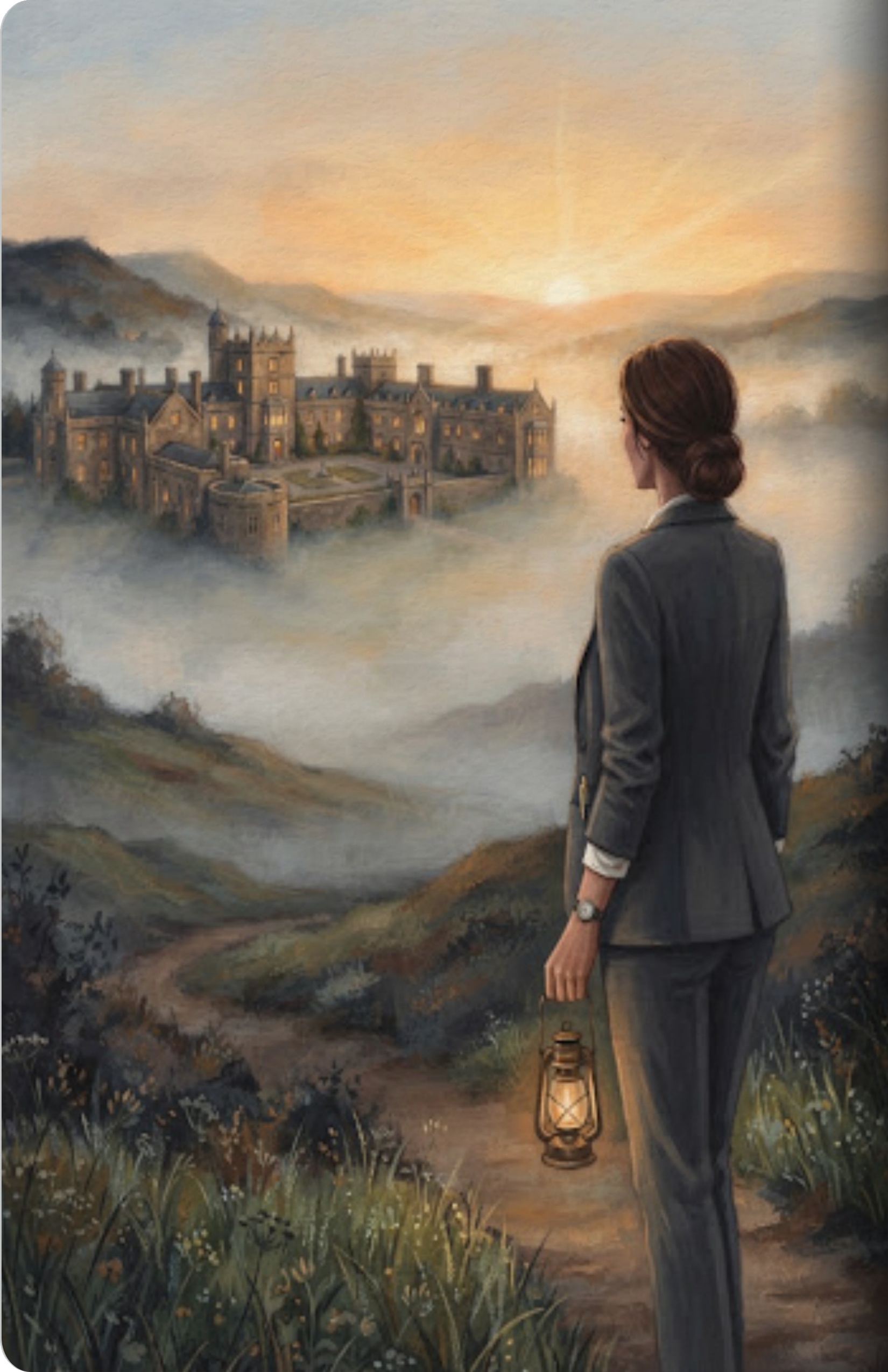
Imagine, for a moment, that your mind is a vast estate — a mansion so ancient and so deep that its farthest rooms have never been fully mapped. At the very front of this estate, behind a modest wooden door, there is a tiny office. A single warm light illuminates a small desk. And behind that desk sits a figure — earnest, alert, doing their absolute best — surrounded by towering stacks of papers, urgent memos, and an endless stream of decisions.
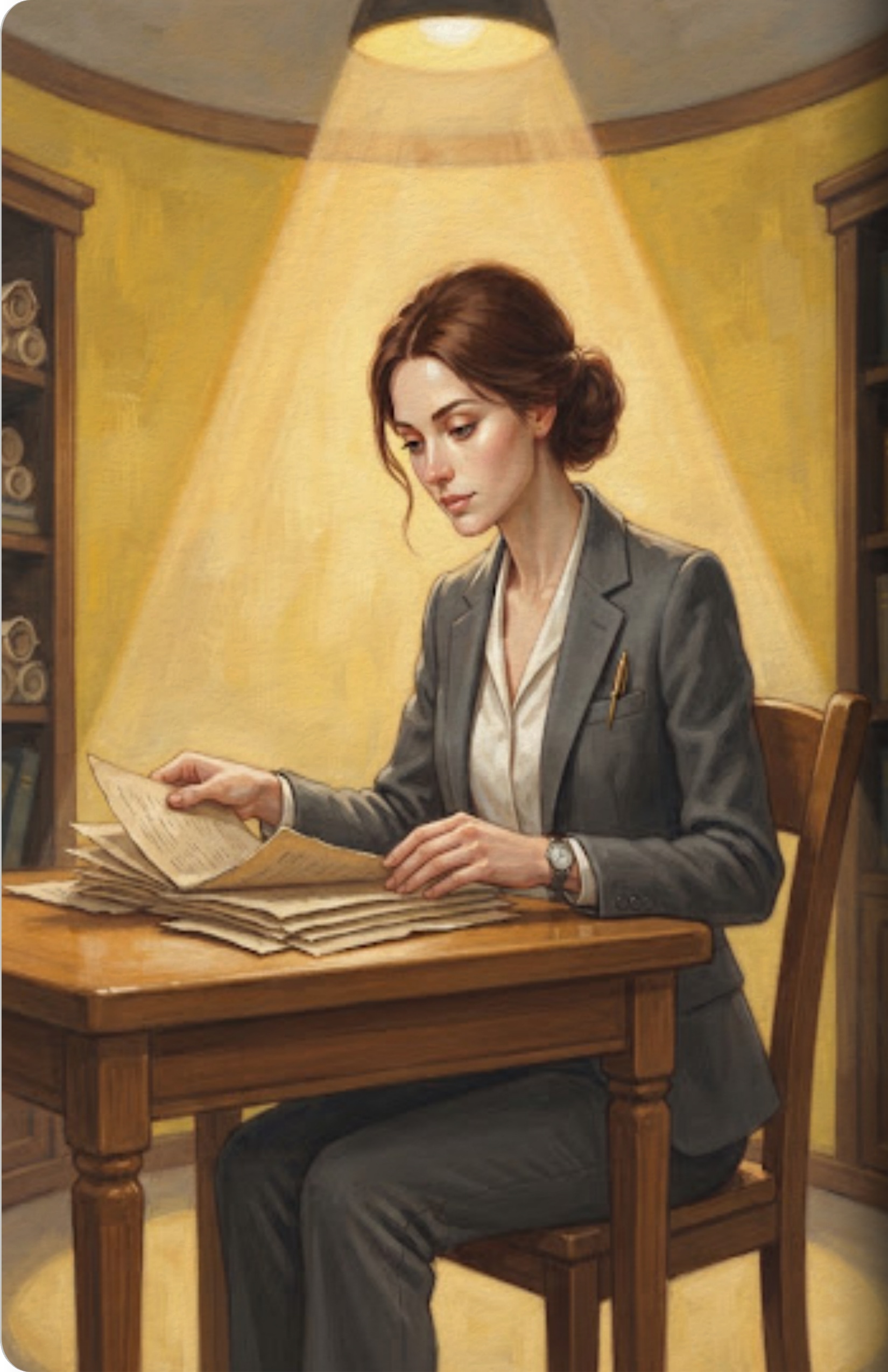
This is your Conscious Mind. Your Gatekeeper. This is the part of you that reasons, analyzes, makes decisions, and tries very hard to exert willpower. It is the voice that says, "I should eat better," "I need to stop worrying," "I want to be more confident." It is logical. It is well-intentioned. And it is exhausted.
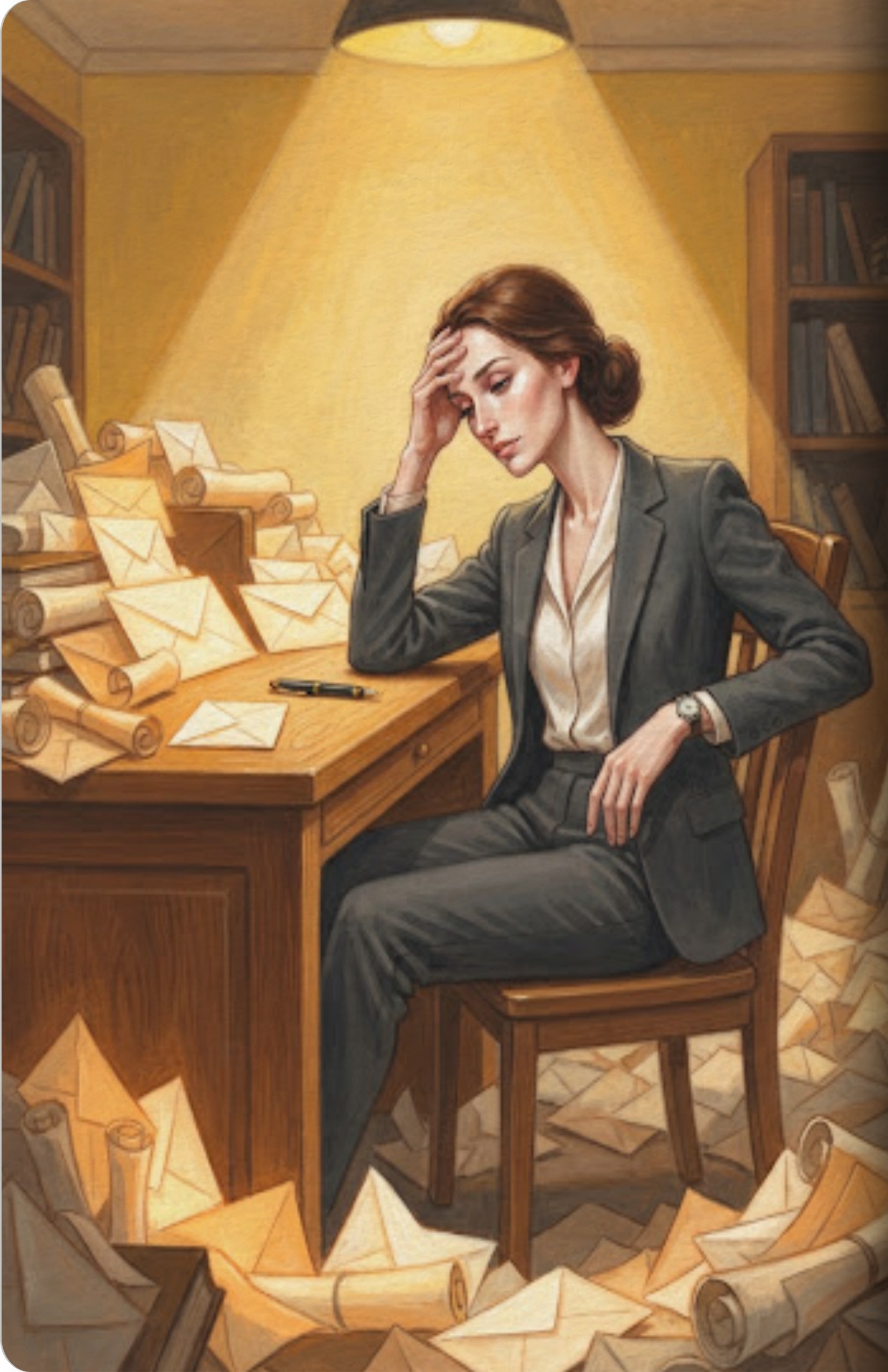
Because here is the thing nobody tells you: this little office — this Gatekeeper with all of their effort and determination — represents only about twelve percent of your total mind. Twelve percent. And that twelve percent has a short memory. Your Gatekeeper can only hold on to the events and feelings of roughly the last ninety minutes before they start to blur. The vast library below remembers everything. The Gatekeeper forgets before lunch. So when you have tried to change a habit through sheer willpower, and it did not stick — when you have told yourself a hundred times to stop being anxious, to stop reaching for the cigarette, to stop doubting yourself, and you kept doing it anyway — it was not because you are weak. It was not because you lack discipline.
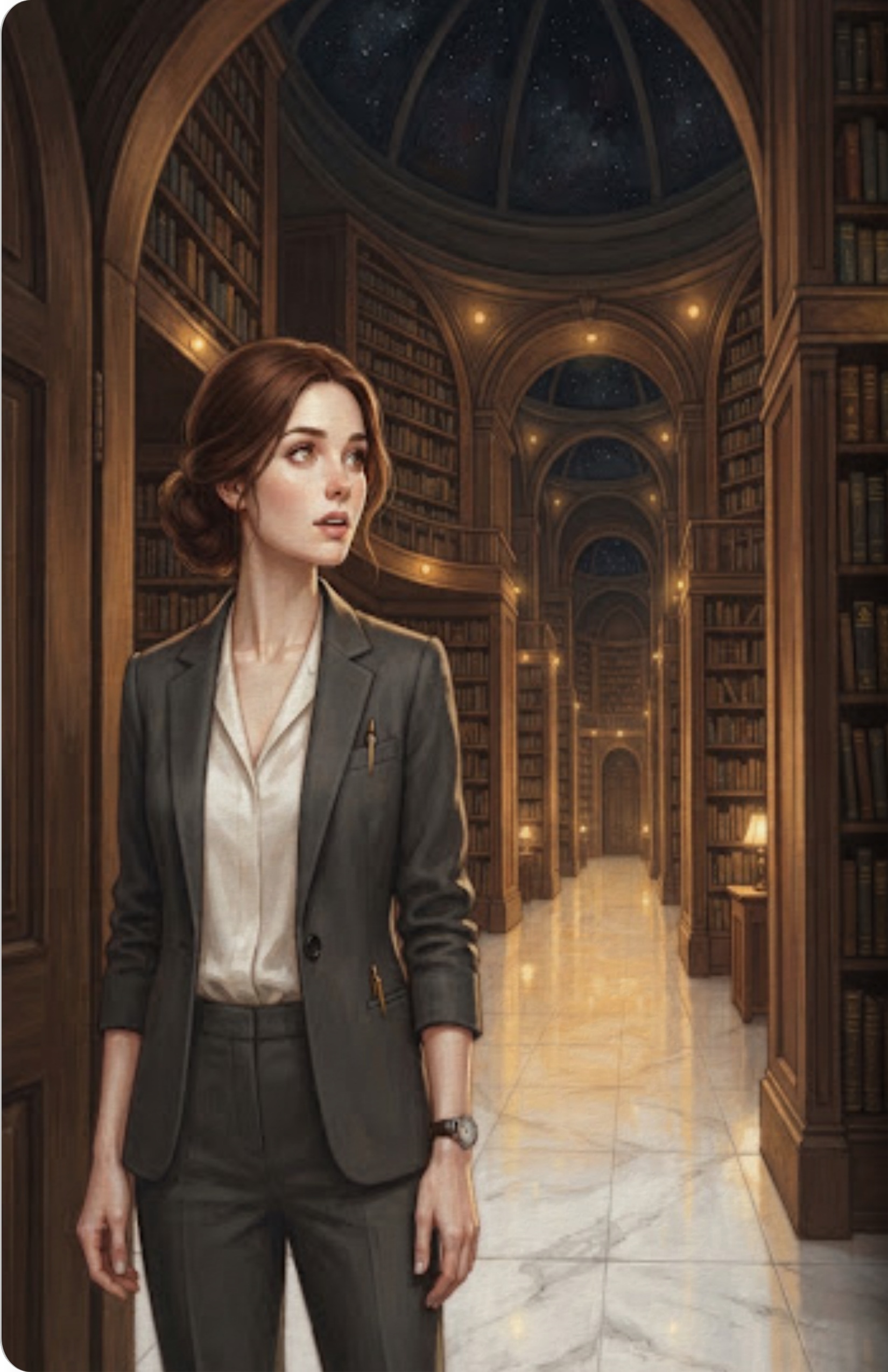
Now step past the Gatekeeper’s office and walk deeper into the estate. The corridors widen. The ceilings rise. And then you see it. A library. But not any library. A library so vast, so deep, so impossibly expansive that its far walls dissolve into a warm, golden haze. Infinite rows of towering bookshelves stretch in every direction, each one filled with volumes that hold every memory you have ever formed, every belief you have ever absorbed, every habit you have ever learned, every emotional response you have ever practiced until it became automatic. This is your Subconscious Mind. And it is roughly eighty-eight percent of who you are.
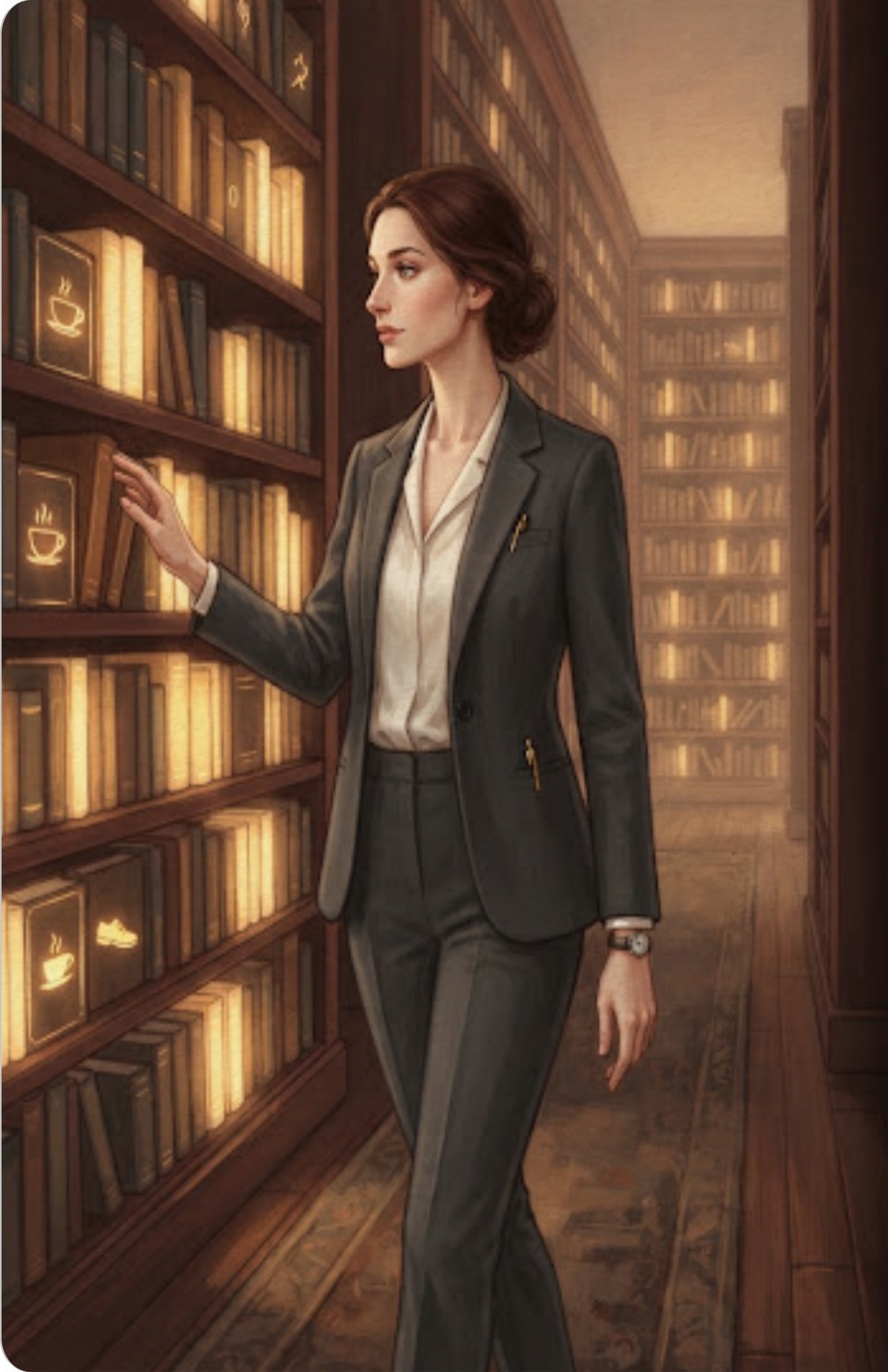
Every book on these shelves represents a Known — something your mind has accepted as true, familiar, and safe. Some of these books were placed here by your parents. Some by your teachers. Some by experiences so early you cannot consciously remember them. And some were written during moments of pain, fear, or confusion — and they were the best your young mind could do at the time. "I am not good enough." "The world is not safe." "If I stay quiet, I won’t get hurt." These are books, too. They sit on the same shelves as "I love chocolate cake" and "Hugs feel safe." The library does not judge its books. It simply keeps them — and follows their instructions.
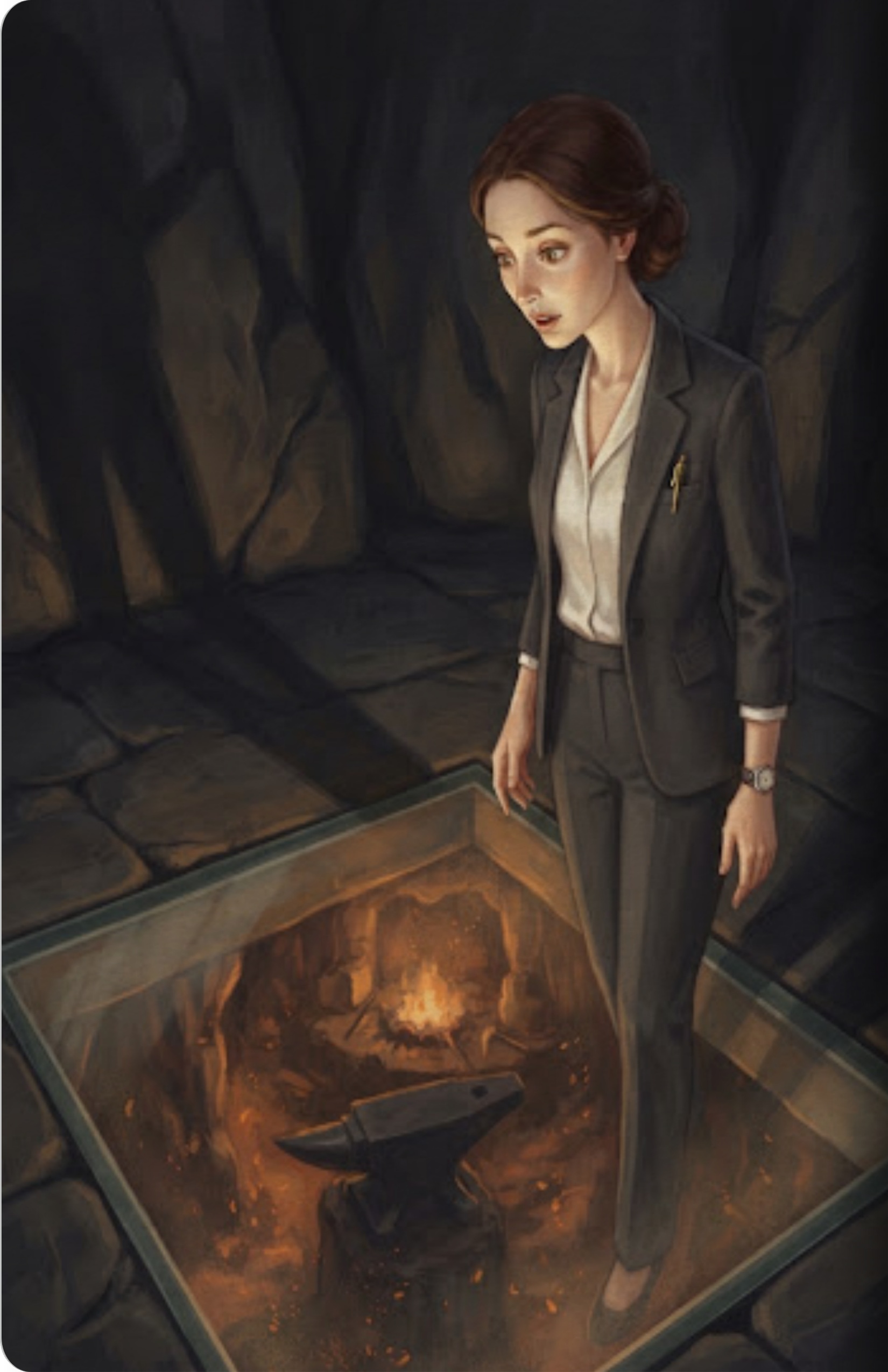
Now look beneath the library floor. Through a grated panel, you can see something deeper — a furnace room, pulsing with a raw, ancient light. This is your Primitive Area. It has been running since the day you were born — before you had language, before you had logic. It holds your survival instincts: fight, flight, or freeze. You were born with exactly two reflexes wired into this room — the fear of falling, which makes a newborn fling out their arms, and the fear of loud noises, which makes them recoil. Everything else was learned. But the furnace does not need to learn. When it senses danger, your sympathetic nervous system fires — heart rate up, digestion down, muscles ready — before your Gatekeeper has even looked up from the desk. It does not think. It reacts. And it moves faster than your conscious mind could ever hope to.
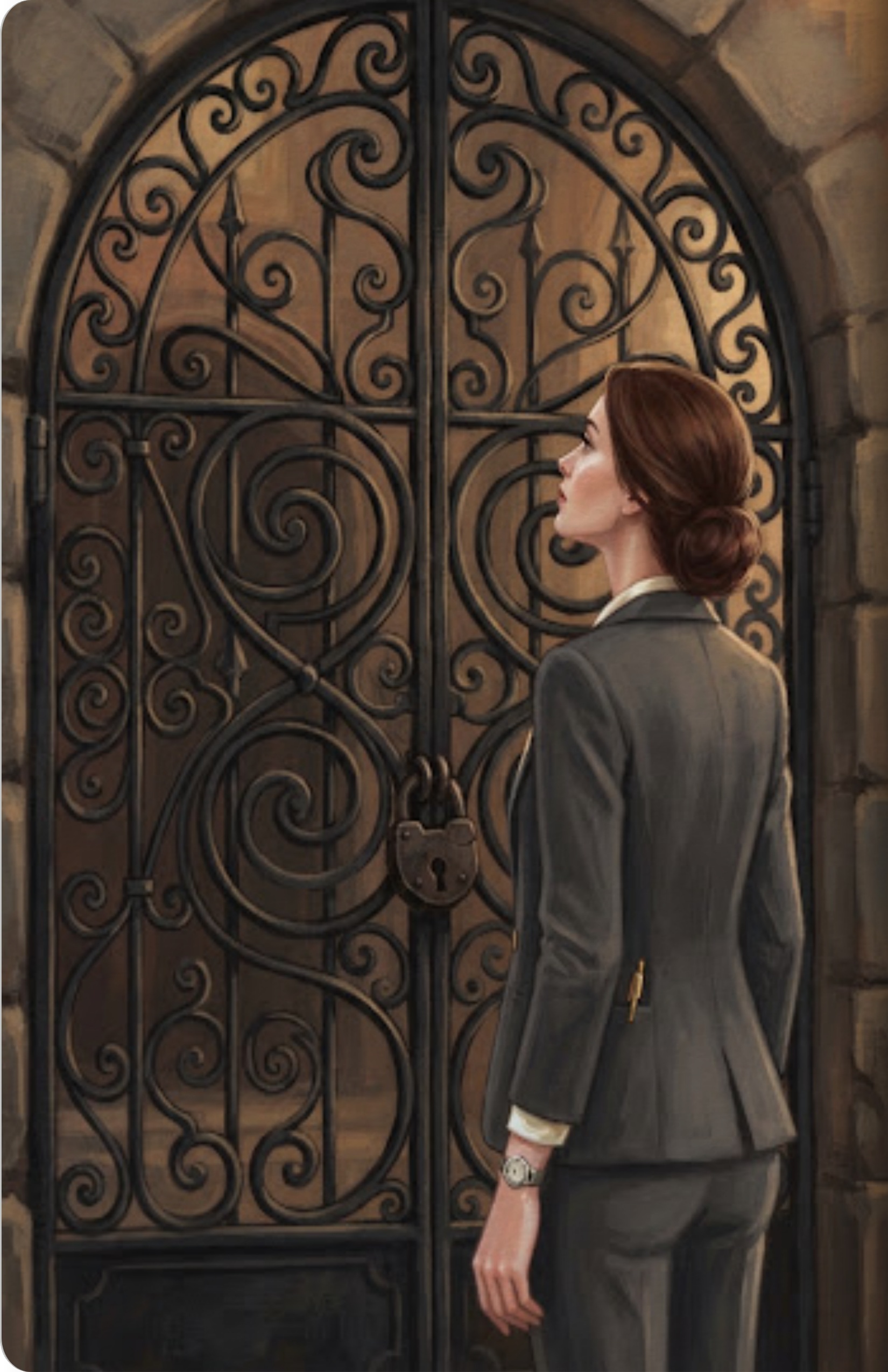
Between the Gatekeeper’s office and the great library, there stands a gate. It is beautiful. Wrought iron, ornate, heavy — inlaid with patterns that shimmer faintly in the light. And it is formidable. This gate was not always there. In the earliest years of your life — from birth until about age eight — the corridors were wide open. Everything flowed straight from the front door into the library. Every word a parent spoke, every experience, every feeling — positive and negative alike — walked right in and placed itself on the shelves as absolute truth. There was no filter. There was no question. Whatever came in became a Known. But around the age of eight or nine, something remarkable happened. Your mind began to develop the ability to analyze, to reason, to question. And as it did, this gate slowly formed — one iron bar at a time — standing guard between your conscious awareness and the vast library below. This is your Critical Filter. And its job is simple: protect the library.
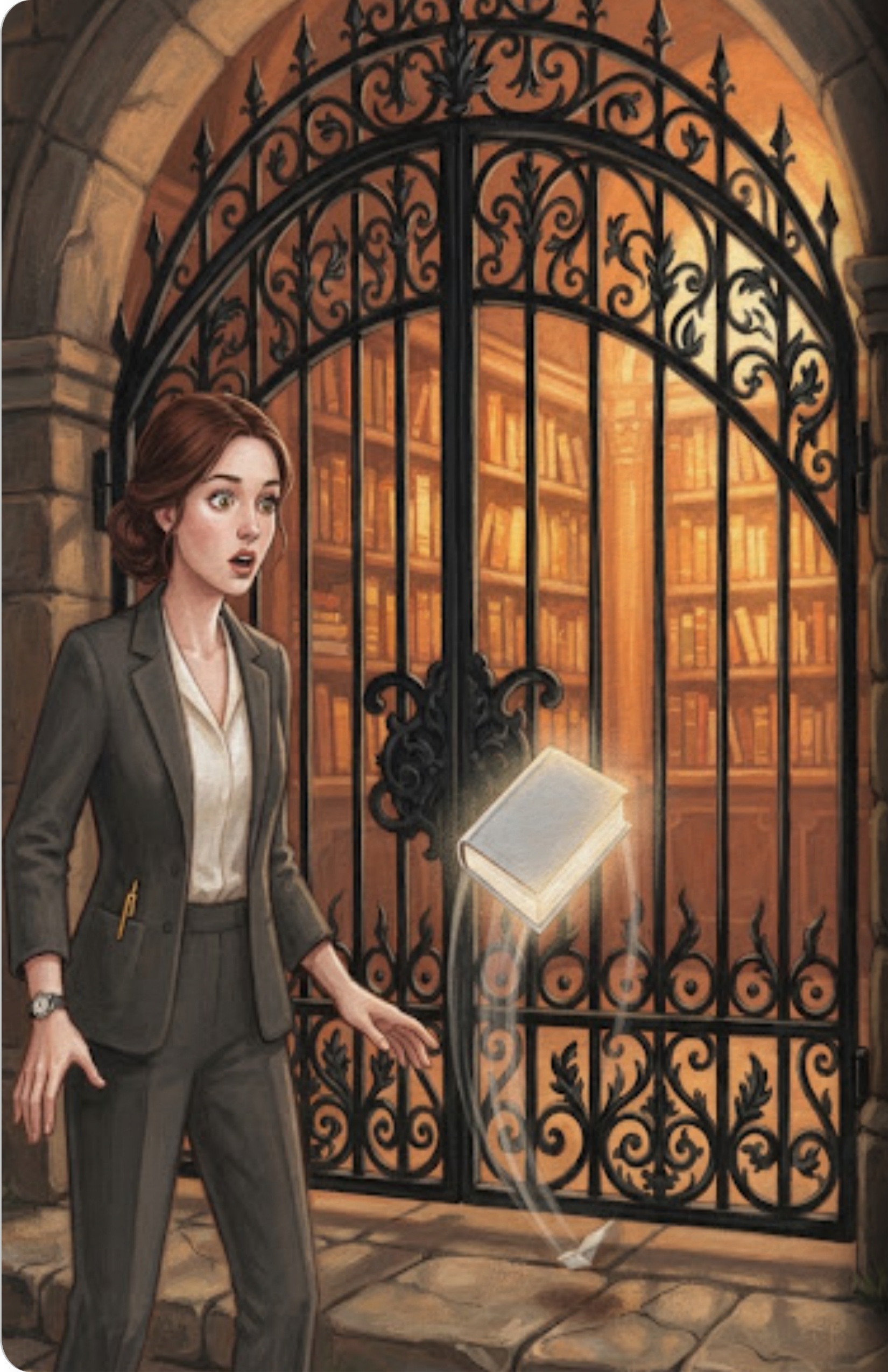
When a new idea arrives at the gate — "I am confident," "I deserve love," "I can let go of this fear" — the gate does not ask whether the idea is true. It does not ask whether the idea is helpful. It asks only one question: Does this match the books already on the shelves? If the answer is yes, the gate opens. The idea passes through and is accepted. If the answer is no — if the library already holds a book that says "I am not confident" or "Love is dangerous" or "Fear keeps me safe" — the gate holds firm. The new idea bounces off the iron and falls to the floor. Your Gatekeeper watches helplessly from the front office.
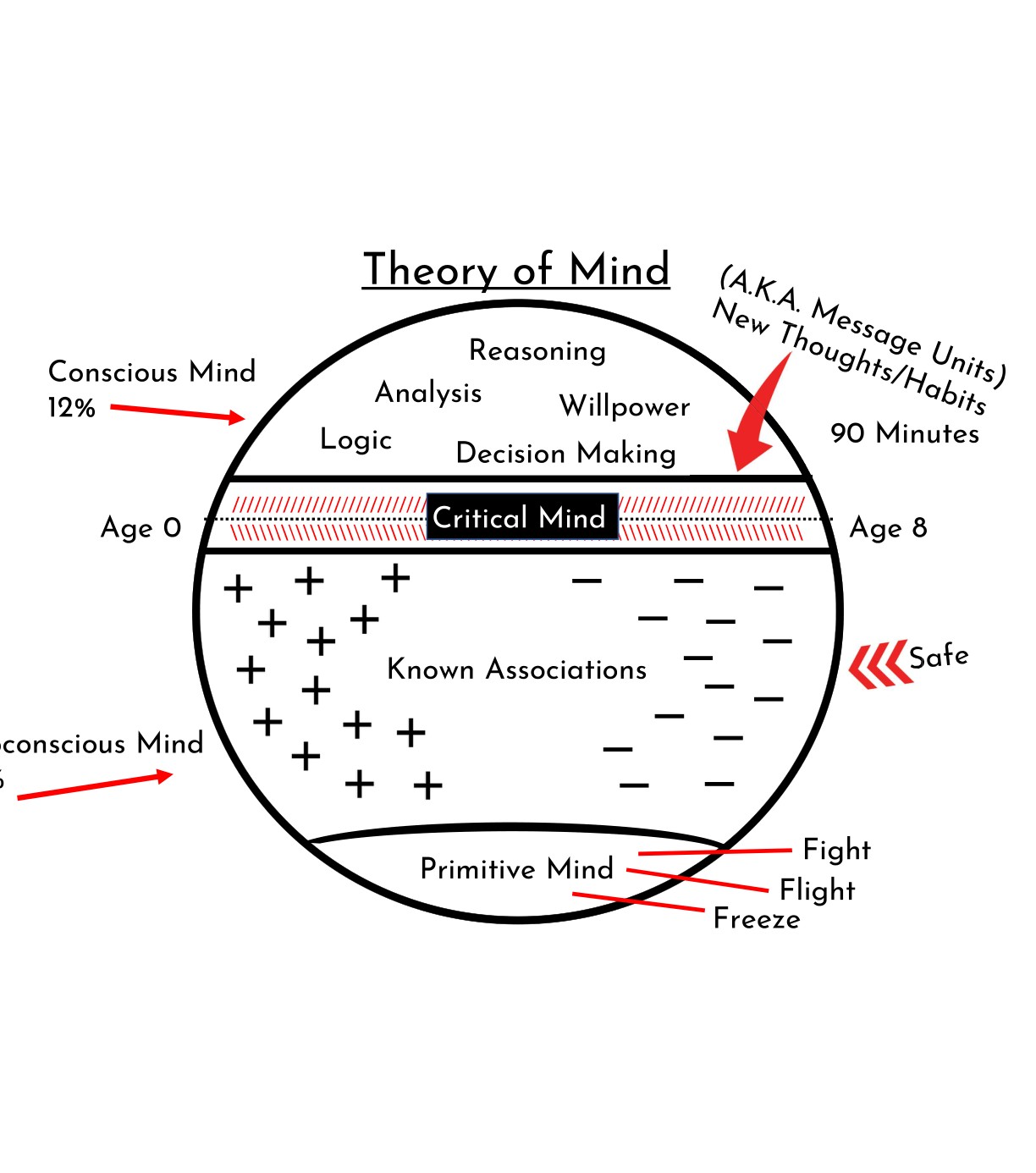
Think of the gate like a drinking glass that fills up throughout the day. Every piece of information your mind receives — a conversation, a worry, a notification, a sensation in your body — adds a drop of water. For most of the day, the glass holds. The gate filters. But at some point — after enough stress, enough input, enough of the day’s weight — the glass begins to overflow. The gate can no longer hold everything back. And that is when something very interesting becomes possible. This is why you can repeat an affirmation a thousand times and still not believe it. This is why you can know, logically, that your fear is irrational — and still feel it in your chest. The Gatekeeper knows the truth. But the gate is loyal to the library. And the library was written a long time ago.
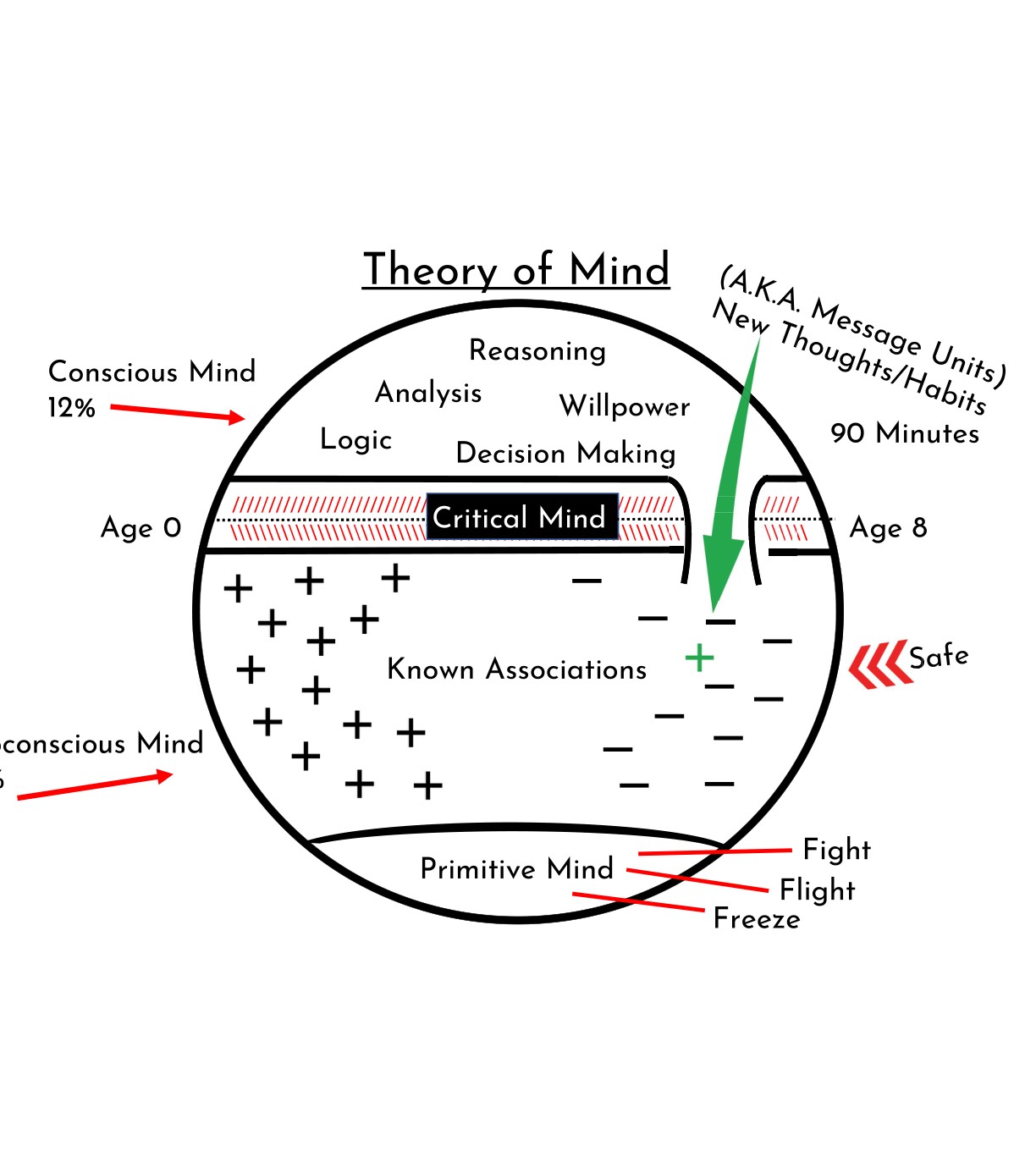
Now the light begins to change. The Gatekeeper has been working all day — processing an endless stream of what we call message units. These arrive from four directions at once: from your environment — sounds, lights, temperature, the hum of a phone; from your physical body — hunger, tension, fatigue, pain; from your conscious mind — decisions, plans, worries, the internal monologue that never quite stops; and from your subconscious itself — old associations, emotional reactions, memories surfacing without invitation. On a normal day, the Gatekeeper handles this flow. The drinking glass fills but does not overflow. But some days — and some moments — the flood becomes too much. The papers pile too high. The message units outnumber the desk space. And the Gatekeeper begins to tire.
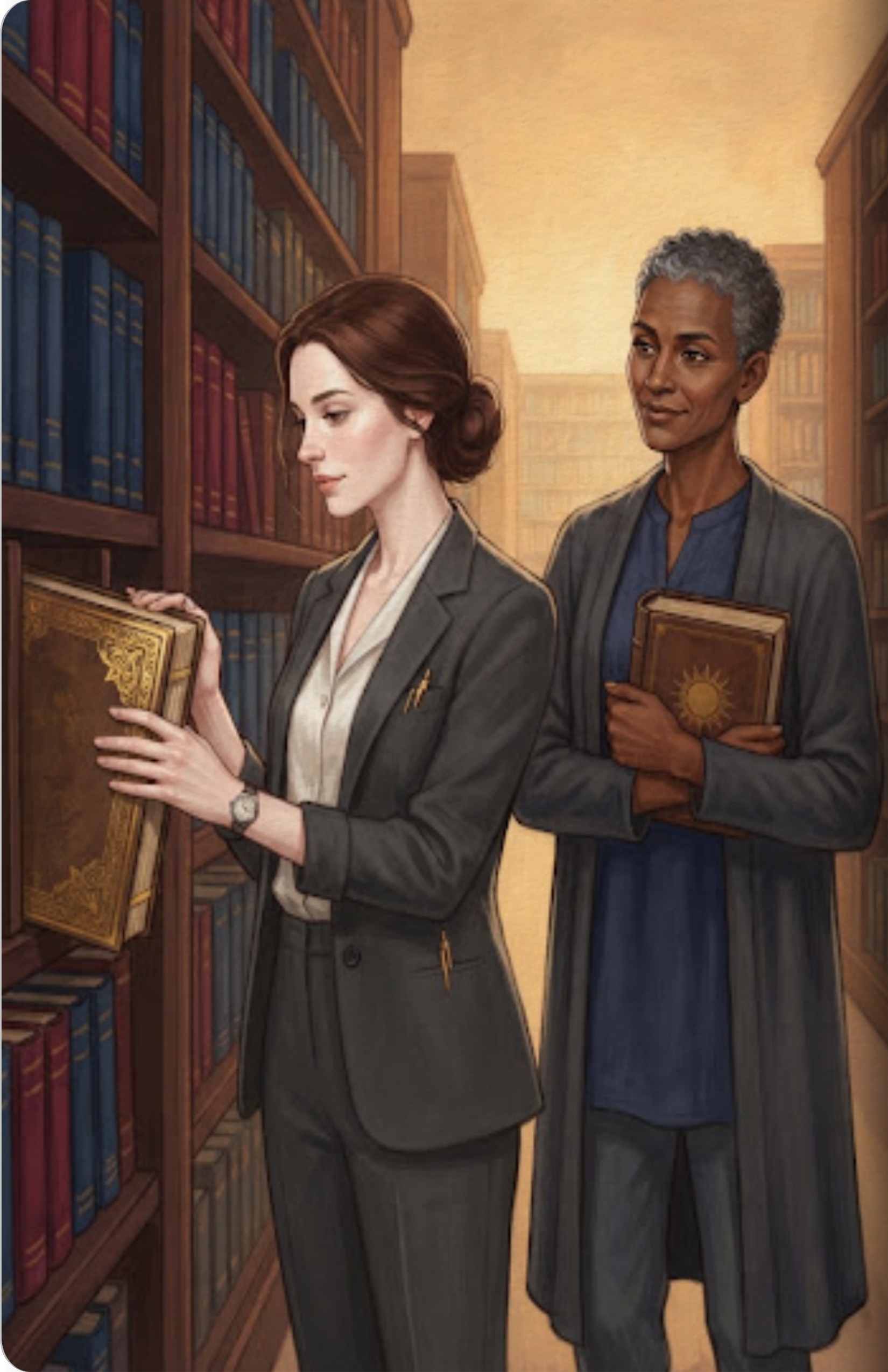
What we do in guided hypnosis is enter this twilight state together — intentionally, gently, and with a clear purpose. I do not put you to sleep. I do not take control. You remain aware. You remain in charge. You can open your eyes and end the session at any moment. What I do is walk with you across the bridge, into the library. And together, we find the old books — the ones that were written in fear, or confusion, or pain — and we place beside them new ones. Beautifully bound volumes of calm. Of confidence. Of safety. Of the truth about who you actually are, written in a language your subconscious can finally accept. The Gatekeeper could never do this alone. The gate would not let them pass. But in this twilight state — in this space between waking and sleeping, between logic and feeling — the gate is open, the bridge is clear, and the library is ready to receive.
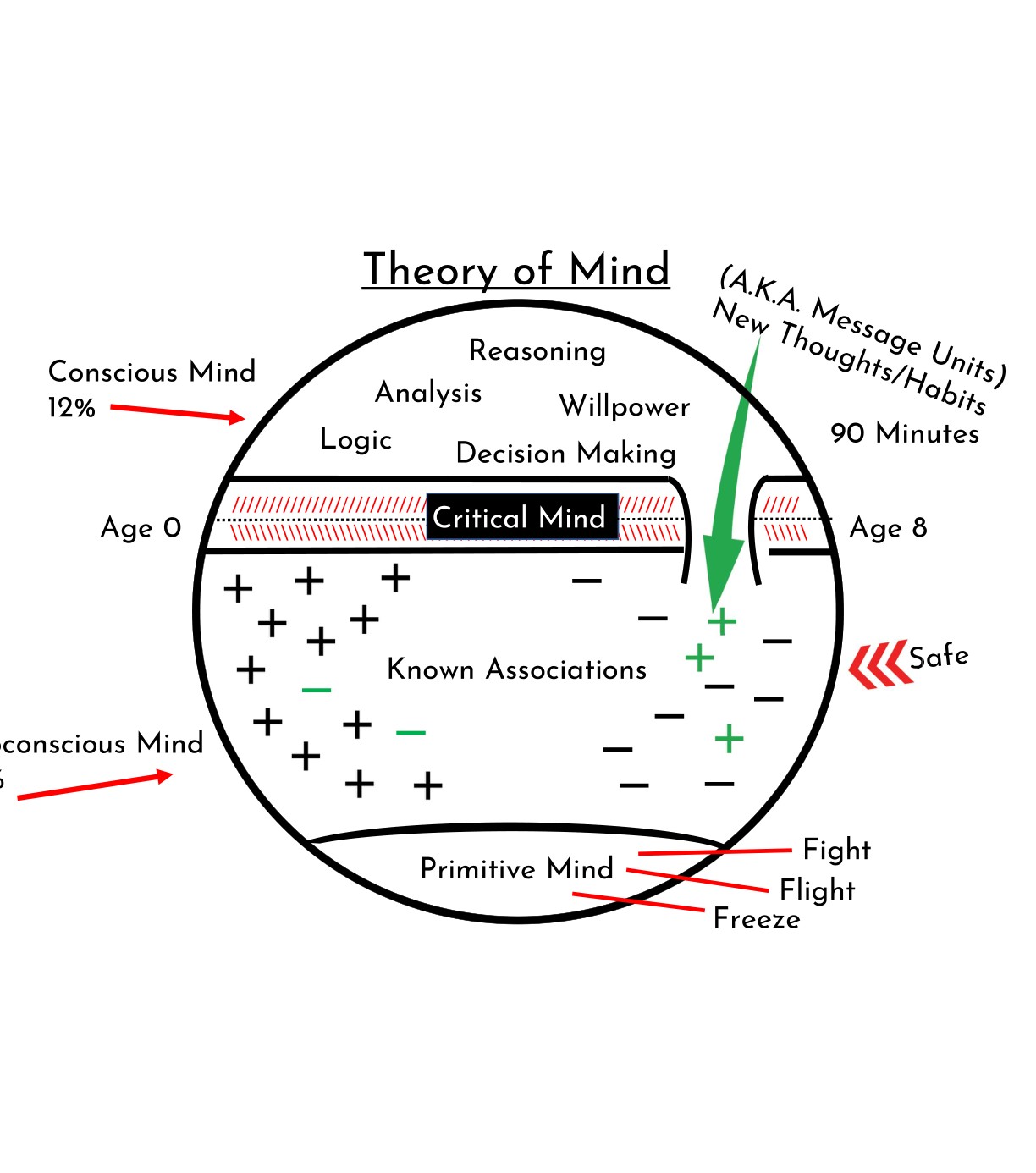
And because every person’s mind receives information differently — some through direct, literal pathways, others through story, metaphor, and feeling — the first thing we do is learn your pattern, so we can shape the approach around you rather than asking you to fit a formula. I will work with the eighty-eight percent. You will work with the twelve percent. And together, we will have one hundred percent.
The Theory of Mind Diagram
The classic Kappasinian model — all four areas of the mind in one view.
Let me draw you a picture to explain how your conscious and subconscious mind works. This circle represents what we call the Theory of Mind.
And so, as you sit here now — already a little more relaxed than when we started, already beginning to understand the architecture of your own beautiful mind — know this: you are not broken. You never were. You simply have books on your shelves that need updating. And today, the gate is ready to open.
This is a theory of self-improvement practice developed by Dr. John G. Kappas, Ph.D. at the Hypnosis Motivation Institute. It is an educational model, not a medical or psychological theory, and is not a claim that hypnosis treats or cures any medical or psychological condition.
Return Home